
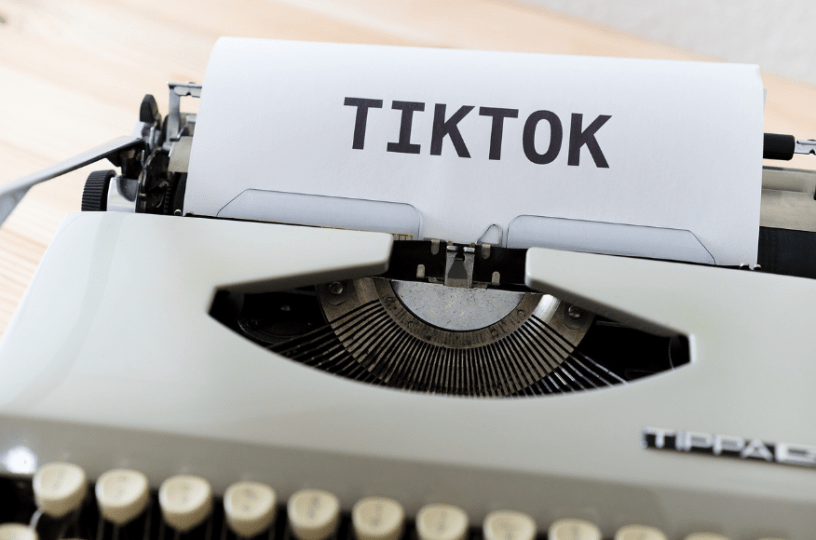
President Joe Biden on Wednesday signed a bill that will ban TikTok in the U.S. unless its Chinese parent company, ByteDance, sells the social media platform’s U.S. assets.
The bill is part of a broader $95 billion foreign aid package providing support to Israel, Ukraine and Taiwan.
Under the new law, ByteDance must divest its U.S. operations by Jan. 19, 2025. The U.S. House of Representatives passed similar legislation in March but the bill stalled in the Senate.
FBI Director Christopher Wray told NBC News earlier this week that TikTok is “a national security concern” because the platform is “beholden to the Chinese government.”
“The data, we’re talking about the ability to control or collect data on millions and millions of users, and to use it for all sorts of influence operations, like driving their AI efforts which are not remotely constrained by the rule of law,” Wray said.
Sen. Maria Cantwell (D-Wash.), chair of the Senate Commerce Committee, said, “Congress is acting to prevent foreign adversaries from conducting espionage, surveillance, maligned operations, harming vulnerable Americans, our servicemen and women, and our U.S. government personnel.”
TikTok also has come under fire for its negative influence on children and teenagers, including data collection and other privacy issues.
However, the bill’s language appears to leave room for the U.S. government to do more than just target TikTok and its parent company or address concerns over what content children are exposed to or about their privacy.
Aside from targeting other sites operated by “foreign adversaries,” the bill also gives the government the power to shut down any website “determined by the President to present a significant threat to the national security of the United States.”
Such “threats” are not explicitly defined in the bill.
But critics said lawmakers’ arguments merely mask other intentions underlying the law, including the desire of U.S. intelligence agencies to gain a similar foothold within TikTok as they have attained within U.S.-based social media platforms.
Some critics said they are concerned about the legal precedent a TikTok ban could create.
Tim Hinchliffe, editor of The Sociable, told The Defender he thinks “the attempt to force ByteDance to sell TikTok has little to do with China, the Chinese Communist Party and national security, and everything to do with censorship.”
“With its parent company based in Beijing, TikTok is an easier target to go after and silence than any of the big American tech companies — most of which the government funded through DARPA, the National Science Foundation and universities,” Hinchliffe said.
Austin-based attorney and technology expert W. Scott McCollough told “The Defender In-Depth” earlier this week “The real reason they are doing this isn’t to positively influence or change what social media does to our kids.”
McCollough said:
“Our intelligence services dislike TikTok because they do not control TikTok like they do the social media platforms that were grown here in the United States, the Facebooks and all of the others.”
 PERCEPTION RESET