
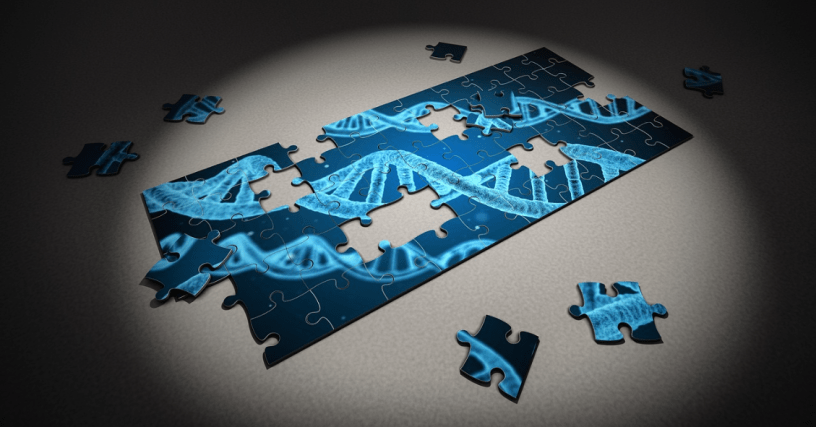
CRISPR systems are powerful tools for genetic engineering, but they have their limitations. Now, scientists have discovered almost 200 new CRISPR systems in their native habitat of bacteria, and found that some can edit human cells even more precisely than existing ones.
The CRISPR-Cas9 gene-editing tool is one of the most important scientific developments of the past decade, earning its discoverers a Nobel Prize in Chemistry. Scientists can use it to make efficient cut-and-paste edits to human cells, potentially treating a huge range of diseases, as well as improving crops, controlling pests, and manipulating bacteria.
The system contains a guide RNA that targets a segment of DNA, such as one that causes disease, then uses an enzyme, usually Cas9, to snip out that sequence and replace it with something more beneficial. More recently, alternatives to Cas9 have been developed with other properties, including higher precision or larger edits.
Now, that family has potentially grown much bigger. Researchers at the Broad Institute, MIT and the National Institutes of Health (NIH) used an algorithm to search for new CRISPR systems. In nature, CRISPR is a self-defense tool used by bacteria, so the team performed a deep dive into three databases of bacteria, found in environments as diverse as Antarctic lakes, breweries and dog saliva. The algorithm is built around a technique called locality-sensitive hashing, which groups similar objects together, and in this case, the team set it to look for genes linked to CRISPR.
Within a few weeks, the system identified thousands of CRISPR systems, including 188 that were previously unknown to science. In lab tests they demonstrated a range of functions, and fell into both known and brand new categories.
 PERCEPTION RESET