
STORY AT-A-GLANCE
- ViAqua Therapeutics, an Israeli-based biotechnology startup, has secured $8.25 million in funding for its oral RNA-based shrimp vaccine
- The vaccine targets white spot syndrome virus (WSSV), which leads to a 15% reduction in global shrimp production each year
- ViAqua plans to administer its RNA-based product via coated feed; the RNA molecules can inhibit gene expression, silencing disease-affected genes
- Shrimp lack an adaptive immune system, the type that “remembers” exposures to infectious agents, so it’s long been assumed that shrimp cannot be vaccinated; now it’s becoming clear that shrimp do have some defense against viruses, which is only beginning to be understood
- The risks of tinkering with shrimp genetics, and using mRNA shots in pigs, cattle and other animals intended for food, are completely unknown
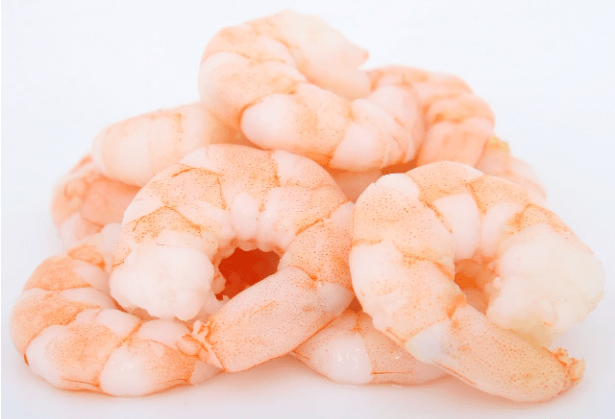
Shrimp are slated to become the latest food source exposed to messenger ribonucleic acid (mRNA) vaccines, courtesy of ViAqua Therapeutics, an Israeli-based biotechnology startup. The company has secured $8.25 million in funding from venture capitalists for its oral RNA-based shrimp vaccine, which is intended to target white spot syndrome virus (WSSV).
With plans to administer its RNA-based product via coated feed, ViAqua suggests the RNA molecules can inhibit gene expression, silencing disease-affected genes with every meal.1 WSSV is a devastating condition in shrimp, leading to a 15% reduction in global shrimp production each year — an annual loss of about $3 billion.2
ViAqua says challenge tests show its RNA-based formulation improved shrimp survival against WSSV, but at what cost? The use of mRNA in the food supply is controversial for good reason — no one knows what the long-term consequences will be.
 PERCEPTION RESET