
No GMOs should be on our plates and in the fields without a full risk assessment and monitoring” – environmental groups
The European Commission’s proposed deregulation of genetically modified organisms (GMOs) made with new techniques, due to be published on 5 July, ignores potential dangers to the environment, bees and pollinators and human health and will not allow consumers to know what they’re eating, environmental groups have warned.
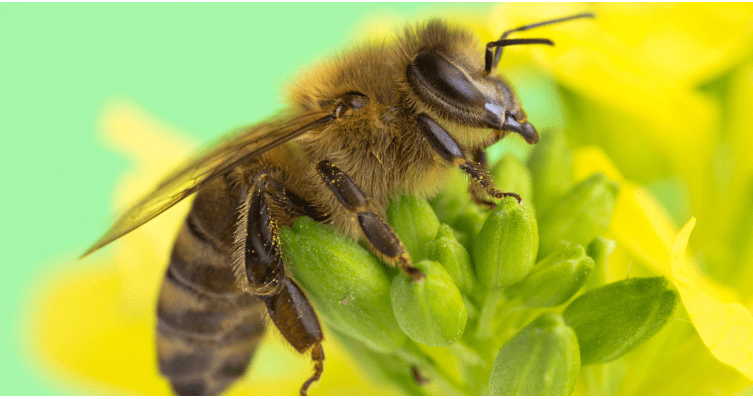
Greenpeace, the “Save Bees and Farmers” ECI coalition and BeeLife have raised the alarm about the European Commission’s plan, leaked in recent weeks, to exempt GMOs obtained with “new genomic techniques” (NGTs) from the GMO regulations currently in place, and point to particular risks for bees and other pollinators.
EU law says that for a GMO to be placed on the market or released for cultivation, it must first undergo a thorough risk assessment to evaluate the risks to the environment or to human health. Any authorised GMO must then also be traceable through its entire journey along the supply chain, and be clearly labelled. Once a GMO product is on the market or in cultivation, a monitoring plan must be put in place to track if any adverse effects on nature or people’s health arises.
The European Commission plans to allow GMOs made with newer techniques to access the market with much looser requirements, or without being subject to them at all. If the Commission’s proposal was to become law, the majority of new GMOs would have market access without safety requirements like risk assessment and monitoring. Greenpeace, the ‘Save Bees and Farmers’ ECI coalition and BeeLife are calling for the existing EU laws on GMOs to continue to apply to GMOs made with these new techniques.
Greenpeace EU GMO campaigner Eva Corral said: “We have to call a spade a spade, and GMOs by another name are still GMOs. People have a right to know if what they’re buying or eating contains GMOs, and no GMOs should be on our plates and in the fields without a full risk assessment and monitoring. The EU Commission wants to exempt the biotech industry’s shiny new toys from essential safeguards, completely turning a blind eye to any potential risks.”
BeeLife Scientific Director, Noa Simon said: “It is deeply incoherent for the Commission to exempt new GMOs from safeguards established by legislation. GM material from old GMOs pollutes areas far from where the plants are grown, with pollinators even helping with this spread. The scarce existing data revealed old GMOs had unexpected environmental dangers. The desperate state of pollinators and biodiversity in Europe, it would be reckless to allow new GMOs on the market without knowing anything about their impact.”
Helmut Burtscher-Schaden, “Save Bees and Farmers” ECI spokesperson said: “Thirty years ago, a new technology was introduced to the market with the promise of being safe and even protecting bees; coating seeds with insecticides called neonicotinoids. This technology became one of the main drivers of pollinator decline worldwide. This is because when this new technology was introduced, scientific knowledge of how it affects the complex relationship between pollinators and plants was limited. The same is now the case with GMOs, as the World Biodiversity Council has warned and pointed to the importance of ‘assessment of the risks posed to pollinators by GMO’. If, despite these warnings, the Commission is going to deregulate and water down risk assessment of new GMOs, it is acting against the precautionary principle and accepting irresponsible ecological risks.”
 PERCEPTION RESET